
Roof Maintenance in Frisco, TX
Roof maintenance in Frisco, TX keeps your roof alive twice as long. The National Roofing Contractors Association (NRCA) recommends inspections twice a
year, and proper maintenance can double the service life of a roof.

Twice a Year: Spring and Fall
- Inspect the roof from the ground and, if safe, up close.
- Look for missing, cracked, or curled shingles.
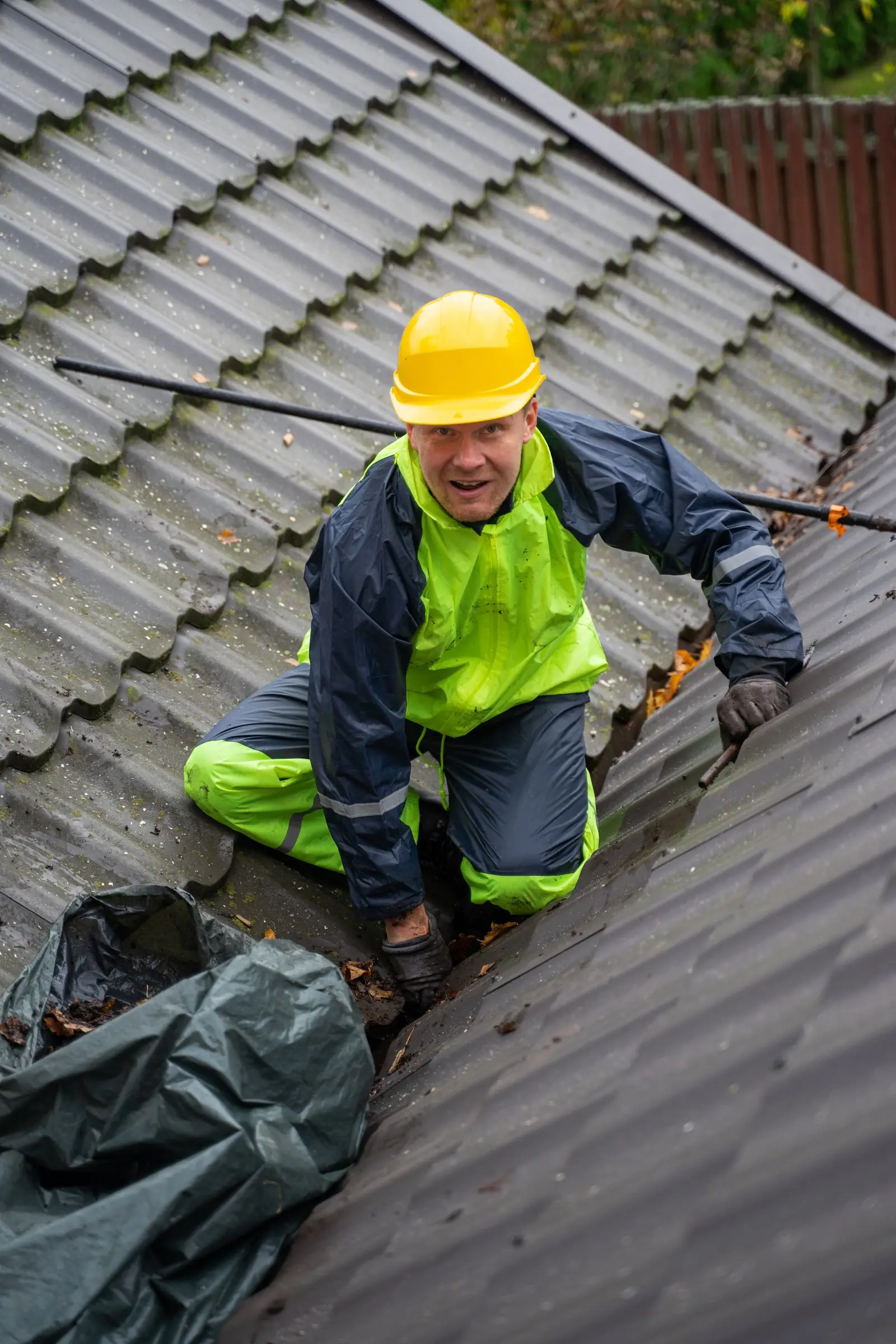
- Clean gutters and downspouts. Remove leaves, pine needles, and dirt. Clogged gutters back water up under shingles and rot the fascia.
- Check flashing around chimneys, vents, and skylights.
- Look for dark streaks, moss, or algae, which point to moisture problems.
- Check the attic for stains, damp insulation, or daylight coming through the boards.
- Trim tree branches at least 6 feet back from the roofline. Clear debris off the roof surface.
After Every Major Storm
- Check for missing or damaged shingles.
- Check gutters and downspouts for dents and granule buildup.
- Look inside for new ceiling stains or leaks.
- Schedule a professional inspection if you see damage or if hail fell in your area.
Once a Year
- Schedule a professional roof inspection, ideally before storm season. For roofs over 10 years old, an annual professional inspection is wise.
- Check attic ventilation and insulation.
- Check pipe boots and seals around vents.
- Check soffit and fascia for rot or damage.
Seasonal Notes for Frisco
Spring: check for winter wear, clear gutters, and get a professional inspection before storm season.
Summer: heat and UV are the enemy. Watch for blistering, curling, and dried-out sealant.
Fall: clear leaves, confirm shingles lie flat and sealed, prepare for wind and rain.
Winter: watch for ice and hard freezes. Check the attic after cold snaps.
Frequently Asked Questions
How often should I have my roof inspected in Texas?
Twice a year, once in spring and once in fall, and again after any major storm. The National Roofing Contractors Association (NRCA) recommends this schedule.
What does roof maintenance include?
A full check of shingles, flashing, gutters, vents, and the attic. Plus gutter cleaning, debris removal, and small fixes like resealing a pipe boot before it becomes a leak.
How long should a Texas roof last?
With regular maintenance, architectural shingles last 25 to 30 years and metal roofs last 40 to 60 years. Without maintenance, roofs fail years early. NRCA says proper maintenance can double a roof’s service life.
Do clogged gutters really damage a roof?
Yes. Clogged gutters back water up under the shingles and rot the fascia and soffit. Clean gutters at least twice a year.
What are granules in my gutters?
Granules are the protective coating on asphalt shingles. Granules in the gutters mean the shingles are wearing out. Bald spots follow, and bald shingles fail fast in Texas sun.
Should I trim trees near my roof?
Yes. Trim branches at least 6 feet back from the roofline. Overhanging branches drop debris, scrape shingles, and give pests a path onto the roof.
What should I check in my attic?
Look for stains, damp insulation, daylight through the boards, and a musty smell. Any of these points to a leak or poor ventilation.
Does maintenance void or protect my warranty?
Most manufacturer warranties expect regular maintenance. Neglect can void coverage. Keep a record of inspections and repairs.
How much does roof maintenance cost?
A professional inspection is free with us. Routine maintenance (inspection, gutter cleaning, small reseals) costs far less than a leak repair or an early replacement. Get a written estimate first.
My roof is 10 years old. Do I need annual inspections?
Yes. For roofs over 10 years old, or after a major storm, an annual professional inspection is wise. Small problems are cheap at 10 years and expensive at 15.